REV / DirectCalc
import numpy as np
import base64

# 동일한 GF(256) 테이블들
exp_table = [
    1, 2, 4, 8, 16, 32, 64, 128, 45, 90, 180, 69, 138, 57, 114, 228, 229, 231, 227, 235, 251, 219, 155, 27, 54, 108, 216, 157, 23, 46, 92, 184, 93, 186, 89, 178, 73, 146, 9, 18, 36, 72, 144, 13, 26, 52, 104, 208, 141, 55, 110, 220, 149, 7, 14, 28, 56, 112, 224, 237, 247, 195, 171, 123, 246, 193, 175, 115, 230, 225, 239, 243, 203, 187, 91, 182, 65, 130, 41, 82, 164, 101, 202, 185, 95, 190, 81, 162, 105, 210, 137, 63, 126, 252, 213, 135, 35, 70, 140, 53, 106, 212, 133, 39, 78, 156, 21, 42, 84, 168, 125, 250, 217, 159, 19, 38, 76, 152, 29, 58, 116, 232, 253, 215, 131, 43, 86, 172, 117, 234, 249, 223, 147, 11, 22, 44, 88, 176, 77, 154, 25, 50, 100, 200, 189, 87, 174, 113, 226, 233, 255, 211, 139, 59, 118, 236, 245, 199, 163, 107, 214, 129, 47, 94, 188, 85, 170, 121, 242, 201, 191, 83, 166, 97, 194, 169, 127, 254, 209, 143, 51, 102, 204, 181, 71, 142, 49, 98, 196, 165, 103, 206, 177, 79, 158, 17, 34, 68, 136, 61, 122, 244, 197, 167, 99, 198, 161, 111, 222, 145, 15, 30, 60, 120, 240, 205, 183, 67, 134, 33, 66, 132, 37, 74, 148, 5, 10, 20, 40, 80, 160, 109, 218, 153, 31, 62, 124, 248, 221, 151, 3, 6, 12, 24, 48, 96, 192, 173, 119, 238, 241, 207, 179, 75, 150, 1
]

log_table = [
    0, 0, 1, 240, 2, 225, 241, 53, 3, 38, 226, 133, 242, 43, 54, 210, 4, 195, 39, 114, 227, 106, 134, 28, 243, 140, 44, 23, 55, 118, 211, 234, 5, 219, 196, 96, 40, 222, 115, 103, 228, 78, 107, 125, 135, 8, 29, 162, 244, 186, 141, 180, 45, 99, 24, 49, 56, 13, 119, 153, 212, 199, 235, 91, 6, 76, 220, 217, 197, 11, 97, 184, 41, 36, 223, 253, 116, 138, 104, 193, 229, 86, 79, 171, 108, 165, 126, 145, 136, 34, 9, 74, 30, 32, 163, 84, 245, 173, 187, 204, 142, 81, 181, 190, 46, 88, 100, 159, 25, 231, 50, 207, 57, 147, 14, 67, 120, 128, 154, 248, 213, 167, 200, 63, 236, 110, 92, 176, 7, 161, 77, 124, 221, 102, 218, 95, 198, 90, 12, 152, 98, 48, 185, 179, 42, 209, 37, 132, 224, 52, 254, 239, 117, 233, 139, 22, 105, 27, 194, 113, 230, 206, 87, 158, 80, 189, 172, 203, 109, 175, 166, 62, 127, 247, 146, 66, 137, 192, 35, 252, 10, 183, 75, 216, 31, 83, 33, 73, 164, 144, 85, 170, 246, 65, 174, 61, 188, 202, 205, 157, 143, 169, 82, 72, 182, 215, 191, 251, 47, 178, 89, 151, 101, 94, 160, 123, 26, 112, 232, 21, 51, 238, 208, 131, 58, 69, 148, 18, 15, 16, 68, 17, 121, 149, 129, 19, 155, 59, 249, 70, 214, 250, 168, 71, 201, 156, 64, 60, 237, 130, 111, 20, 93, 122, 177, 150
]

fixed_pattern = [
    0x92, 0xd5, 0x31, 0xa5, 0xe5, 0xdf, 0x29, 0x67, 0x37, 0xc8, 0x27, 0x65,
    0xfe, 0x66, 0x17, 0x47, 0x29, 0x78, 0xa5, 0x77, 0xe1, 0xaf, 0x7d, 0xd5,
    0xe1, 0x5c, 0x7e, 0x66, 0xc9, 0xe9, 0x41, 0xbf, 0xaa, 0xe0, 0x11, 0xda,
    0x39, 0x2d, 0x2d, 0x8d, 0x73, 0xb9, 0xbd, 0xc9, 0xe2, 0x86, 0x6e, 0x60,
    0x40, 0x29, 0x86, 0xba, 0x76, 0x04, 0x8d, 0x7a, 0xc0, 0x5c, 0x89, 0x1d,
    0xff, 0x3e, 0x5e, 0x9c, 0xe9, 0xab, 0x45, 0x5c, 0xc1, 0x5d, 0x64, 0x56,
    0x46, 0x11, 0x72, 0xcd, 0x8f, 0x5f, 0x87, 0xa9, 0xd6, 0xb7, 0x69, 0xcf,
    0x22, 0xf5, 0xf6, 0xdb, 0x41, 0x76, 0xcd, 0x3d, 0xf8, 0x66, 0x57, 0xe3,
    0x3e, 0x8f, 0x50, 0xef, 0x1e, 0x99, 0x2a, 0x1a, 0x21, 0x58, 0xa6, 0x39,
    0x38, 0x00, 0xcf, 0x81, 0x98, 0x57, 0x61, 0x8b, 0xc7, 0x47, 0x18, 0xe3,
    0x86, 0xa1, 0x5d, 0x09, 0xfb, 0xdb, 0xa1, 0x87
]

def gf_mul(x, y):
    if x == 0 or y == 0:
        return 0
    return exp_table[(log_table[x] + log_table[y]) % 255]

def gf_pow(n, p):
    if n == 0:
        return 0
    return exp_table[(log_table[n] * p) % 255]

def gf_add(x, y):
    return x ^ y

def gf_inv(x):
    if x == 0:
        return 0
    return exp_table[(255 - log_table[x]) % 255]

def calculate_syndrome(message, syndrome_idx):
    x = gf_pow(2, syndrome_idx)
    syndrome = 0

    for i in range(len(message)):
        coeff = message[len(message) - i - 1]
        if coeff != 0:
            term = gf_mul(coeff, gf_pow(x, i))
            syndrome = gf_add(syndrome, term)

    return syndrome

def solve_extended_system():
    """더 큰 시스템으로 모든 신드롬 해결"""

    for msg_len in [32, 48, 64]:
        print(f"\nTrying message length: {msg_len}")

        total_len = msg_len + len(fixed_pattern)

        num_eq = min(128, msg_len + 32)

        A = []
        b = []

        for syndrome_idx in range(num_eq):
            row = []
            x = gf_pow(2, syndrome_idx)

            for pos in range(msg_len):
                power = total_len - pos - 1
                coeff = gf_pow(x, power)
                row.append(coeff)

            A.append(row)

            fixed_syndrome = 0
            for i, val in enumerate(fixed_pattern):
                if val != 0:
                    power = len(fixed_pattern) - i - 1
                    term = gf_mul(val, gf_pow(x, power))
                    fixed_syndrome = gf_add(fixed_syndrome, term)

            b.append(fixed_syndrome)


        solution = solve_overdetermined_gf256(A, b, msg_len)

        if solution:
            full_message = solution + fixed_pattern
            valid_count = 0
            invalid_syndromes = []

            for i in range(128):
                syndrome = calculate_syndrome(full_message, i)
                if syndrome == 0:
                    valid_count += 1
                else:
                    invalid_syndromes.append((i, syndrome))

            print(f"Valid syndromes: {valid_count}/128")

            if valid_count >= 100:
                encoded = base64.b64encode(bytes(solution)).decode()
                print(f"SUCCESS! Valid input: {encoded}")
                return bytes(solution)

            elif valid_count > 60:
                print(f"Partial success. Invalid syndromes: {len(invalid_syndromes)}")
                if len(invalid_syndromes) <= 10:
                    print("Invalid syndrome indices:", [idx for idx, _ in invalid_syndromes[:10]])


                corrected = error_correction(solution, invalid_syndromes[:10])
                if corrected:
                    encoded = base64.b64encode(bytes(corrected)).decode()
                    print(f"CORRECTED! Valid input: {encoded}")
                    return bytes(corrected)

    return None

def solve_overdetermined_gf256(A, b, msg_len):
    """과결정 GF(256) 시스템 해결"""

    max_rank = min(len(A), msg_len)

    for start_idx in range(0, len(A) - max_rank + 1, 8):
        try:
            A_sub = A[start_idx:start_idx + max_rank]
            b_sub = b[start_idx:start_idx + max_rank]

            augmented = [row[:] + [b_sub[i]] for i, row in enumerate(A_sub)]

            for col in range(min(max_rank, msg_len)):
                pivot_row = None
                for row in range(col, max_rank):
                    if augmented[row][col] != 0:
                        pivot_row = row
                        break

                if pivot_row is None:
                    continue

                if pivot_row != col:
                    augmented[col], augmented[pivot_row] = augmented[pivot_row], augmented[col]

                pivot = augmented[col][col]
                if pivot != 0:
                    inv_pivot = gf_inv(pivot)
                    for j in range(msg_len + 1):
                        augmented[col][j] = gf_mul(augmented[col][j], inv_pivot)

                for row in range(col + 1, max_rank):
                    if augmented[row][col] != 0:
                        factor = augmented[row][col]
                        for j in range(msg_len + 1):
                            augmented[row][j] = gf_add(augmented[row][j],
                                                     gf_mul(factor, augmented[col][j]))

            x = [0] * msg_len
            for i in range(min(max_rank, msg_len) - 1, -1, -1):
                if i < max_rank and augmented[i][i] != 0:
                    x[i] = augmented[i][msg_len]
                    for j in range(i + 1, msg_len):
                        x[i] = gf_add(x[i], gf_mul(augmented[i][j], x[j]))

            # 해 검증
            error_count = 0
            for eq_idx in range(len(A)):
                result = 0
                for var_idx in range(msg_len):
                    result = gf_add(result, gf_mul(A[eq_idx][var_idx], x[var_idx]))
                if result != b[eq_idx]:
                    error_count += 1

            if error_count <= len(A) // 4:
                print(f"Found solution with {error_count}/{len(A)} equation errors")
                return x

        except:
            continue

    return None

def error_correction(message, invalid_syndromes):
    """단순한 에러 정정 시도"""
    if len(invalid_syndromes) == 0:
        return message

    for pos in range(len(message)):
        for flip in range(1, 256):
            corrected = message[:]
            corrected[pos] = corrected[pos] ^ flip

            full_corrected = corrected + fixed_pattern
            fixed_count = 0

            for syndrome_idx, _ in invalid_syndromes:
                new_syndrome = calculate_syndrome(full_corrected, syndrome_idx)
                if new_syndrome == 0:
                    fixed_count += 1

            if fixed_count >= len(invalid_syndromes) // 2:
                print(f"Error correction: position {pos}, XOR {flip}")
                return corrected

    return None

result = solve_extended_system()
if not result:
    print("All methods failed")
cce2025{/0RSaoB7Wx/1CkP3G7ElEmZomDizSxK8A7gXCtGoqVvyLuzigr9Syl0RxT7owWjE8rkXAiBHMc1/kiguDSl0ww==}
후기: chess문제에서 수동으로 풀이하다 시간이 다갔다. 리버싱 writeup을 보니 이제 ai로 대체될 일만 남은것같다. 프롬프팅 공부를 해서 바이브리버싱을 늘리고 웹공부에 중점을 둬야할것같다.
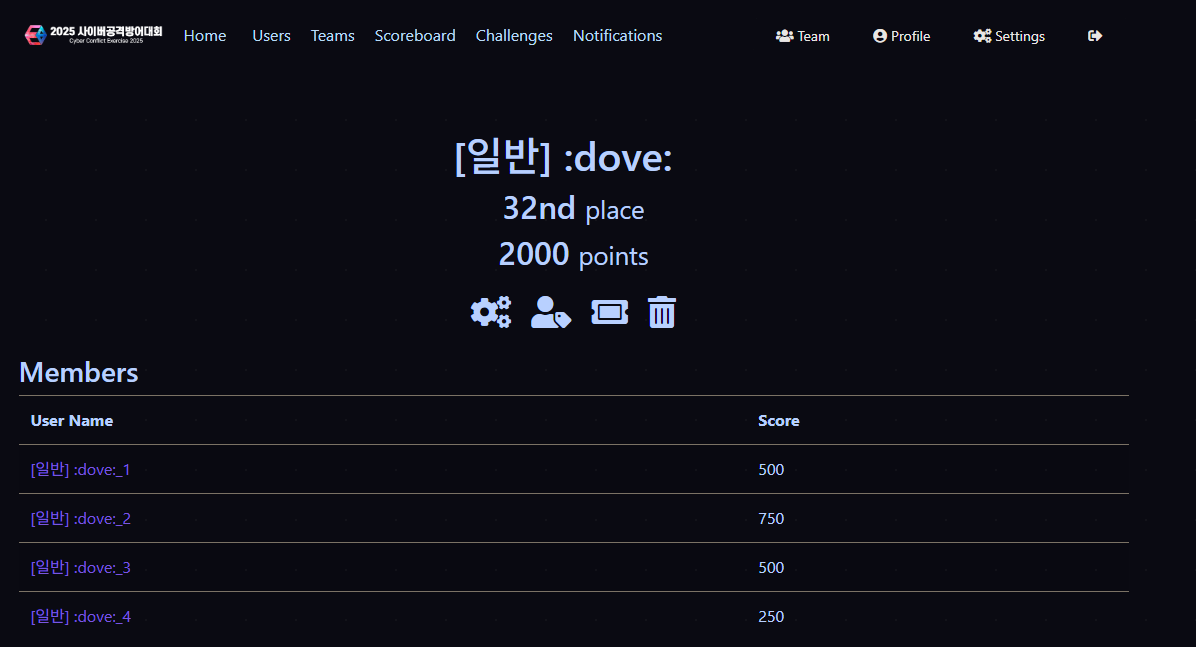
최종순위는 32등으로 본선 15등과 700점 정도 차이가 난다 분발해야겠다!
'리버싱!' 카테고리의 다른 글
| privacy-i 삭제 일대기 (1) | 2025.11.21 |
|---|---|
| ransomeware_cce2025 정리 (0) | 2025.10.16 |
| CCE 준비 (2) | 2025.08.08 |
| justCTF2025 (0) | 2025.08.03 |
| UIUCTF 2025-풀이 (3) | 2025.07.26 |


